

When you first start to “rebuild credit scores” it might be difficult. But once you build momentum and start to see results, you’ll be coasting your way to a good credit score in no time.
Taking a multi-strategy approach is best to rebuild credit scores. But getting started with the task of rebuilding credit scores is not easy. In the beginning you may find it frustrating but once you build momentum and start to see results — you’ll rebuild credit scores in no time.
7 Strategies to rebuild credit scores
The credit dispute process can be tedious but it’s not the only way to rebuild credit scores.
1. Add an unsecured credit card
If your credit report contains mostly negative information it will be difficult to improve your scores. Get an unsecured credit card that reports on-time payments to the 3 major credit bureaus. Many credit cards offer monthly free credit scores as a benefit to cardholders which help keep you stay alerted to any changes in your score.
2. Add a secured credit card
Depending on your credit score, it may not be possible to get an unsecured credit card. Secured credit cards have the same credit reporting benefits as unsecured credit cards, however, secured credit cards require the cardholder to make a cash deposit upfront as collateral. The best secured credit cards will offer rewards but many of them don’t. Some secured card issuers; however, will upgrade you to the unsecured version of the card after you demonstrate good account management.
3. Get a Retail Credit Account
Retail credit cards are typically easier to qualify for than other revolving credit options; however, the interest rates may be slightly higher than traditional credit card rates. You have to weigh the pros and cons and decide if a higher interest rate is worth it to build credit. When considering a retail account, look at where you frequently shop and consider opening an account there. That way you’ll get the benefits of exclusive discounts and rewards while rebuilding credit.
4. Authorized user credit
Family members with great credit can help you boost your credit scores with authorized buyer credit. A credit card company can allow an account holder to add you as an authorized user on an established account. The account holder’s information, including payment history, account balance and credit limit becomes part of your credit history. Authorized user accounts can instantly improve your credit scores and offer those rebuilding credit an established account to add to their credit history.
5. Add an Installment Loan and make on-time payments
Adding an installment loan such as an auto loan, personal loan, or mortgage loan to your credit files can give your credit scores a tremendous boost. The credit scoring system rewards consumers who have a good credit mix because it shows you can manage diverse types of credit. Credit mix may only factor 10% of your overall credit score but having every positive component helps. Installment loans require multiple payments over time which helps create a lengthy, consistent history of repayment.
6. Request a Deletion for settled or paid negative debts
If you pay a collection or settle a debt make sure you obtain a deletion and not a “paid collection” entry. This also applies to paying a debt directly to the creditor. Paid collection entries or settled accounts do not raise your score. You can help rebuild credit scores with paid for deletions as part of the credit dispute process.
7. Decrease credit card balances – use less of your available credit
The amount of debt owed is 30% of your credit score, the second largest component in the credit scoring model. You can absolutely rebuild credit scores by reducing revolving credit account balances. FICO once stated that consumers with the best scores maintained account balances within 10% or less of their total credit limits.
Let’s look at available credit limits further:
- Say you have a credit card with a $5,000 limit and your balance is close to that limit — Your credit scores are going to suffer because you have a high balance to limit ratio.
- Decreasing your balance to 10% or less of your credit limit will increase your credit scores immediately.
- The great thing about reducing your account balance is that it works whether it’s a $5000 limit credit card or a $500 limit credit card. Your overall credit score will increase by reducing your account balances.
Benefits of a good credit score after rebuild credit
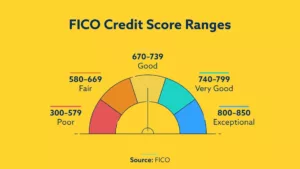
A good credit score ranges from 660-719, while an excellent credit score is 720 and above. Both good and excellent credit practically guarantees approval with the lower interest rates on loans, credit cards, and other types of credit as long as you don’t carry too much debt.
Adding positive credit accounts to your credit history is a pretty simple way to rebuild credit scores. Overall, a good credit score is an essential part of your financial well-being, and can help you save money, and open up new opportunities.
What to watch out for when rebuilding credit scores
Rebuilding credit by adding credit accounts can mean a temporary hit to credit scores due to hard credit inquiries. Hard credit inquiries can take between 5-10 points off your credit score. Limit the number of inquiries in a 12-month period. If possible, spread the inquiries among the three major credit bureaus, here is how:
Before applying for new credit try contacting the credit card issuer or lender to ask which credit bureau or bureaus they pull your credit report from. Most lenders don’t mind revealing that information. If you have lots of inquiries on your Experian report then apply at lenders that use Equifax or Transunion instead.
Pay your new credit accounts by the due date
There are ways to build credit without using credit accounts. But if you don’t mind using credit accounts, only add new credit if you’re able to make timely payments. A late payment can drop a good credit score by as much as 100 points. It may not make sense but if you already have negative entries on your credit report adding more will not hurt as much and your score may only drop by 30 points.